

Transition Services
Welcome to COPESD's Transition Services
In special education, transition (or secondary transition) refers to the coordinated process of preparing students with disabilities to move successfully from high school to adult life. Mandated under the federal Individuals with Disabilities Education Act (IDEA), transition planning begins by age 16 at the latest—and earlier in many states—as part of a student's Individualized Education Program (IEP).

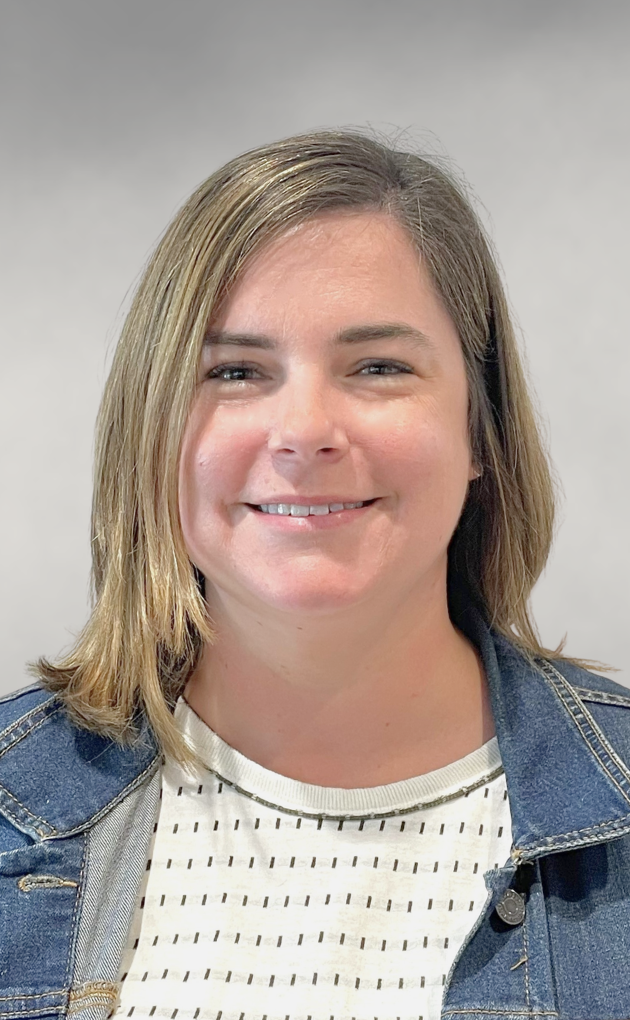
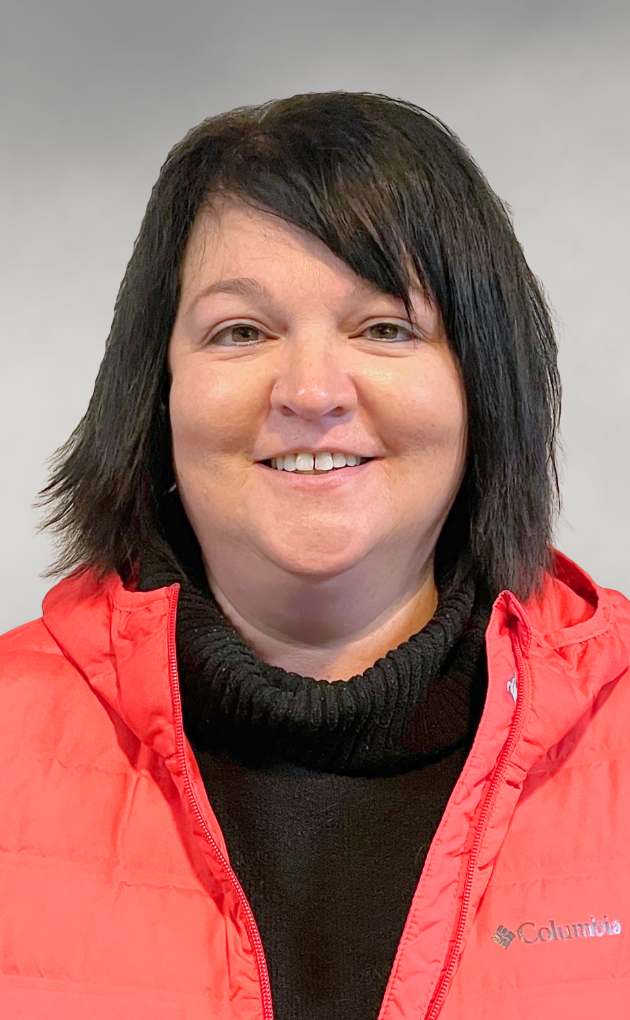
Liz Vergara Sarah Reminder
MOCI Transition Teacher Transition Job Coach
Core Purpose & Focus Area
Transition planning shifts the educational focus from high school completion to long-term postsecondary outcomes. It is a results-oriented process tailored to the individual student’s unique strengths, preferences, and interests.
The planning process centers on three main postsecondary areas:
Postsecondary Education & Training: Attending a four-year university, community college, trade school, or vocational training program.
Employment: Securing competitive integrated employment, supported employment, or career training.
Independent Living & Community Participation: Developing essential daily living skills, navigating transportation, managing personal finances, and accessing adult services or housing.

Key Components of Transition Planning
Age-Appropriate Transition Assessments: Gathering data regarding a student’s interests, functional abilities, work preferences, and academic skills to guide goal setting.
Measurable Postsecondary Goals: Establishing clear, personalized targets for what the student plans to achieve after high school in education, employment, and living arrangements.
Coordinated Set of Activities & Course of Study: Identifying high school classes, work-based learning, life-skills instruction, and community experiences needed to reach those postsecondary goals.
Interagency Collaboration: Connecting the student and family with outside adult service agencies—such as vocational rehabilitation, community mental health organizations, or disability support offices—before the student exits the school system.
Student Self-Advocacy: Actively involving the student in their IEP meetings so they learn to express their goals, understand their disability, and request accommodations independently.
COPESD MOCI Transition Service
During the 2024–2025 school year, COP launched an expanded transition program for our Moderate Cognitive Impairment (MOCI) classrooms, providing students with meaningful, hands-on work experiences directly in the community. Supported by dedicated COP staff, students work alongside local employees to practice real-world job skills in authentic business environments. We are deeply grateful to our community partners, whose generosity and collaboration offer our students invaluable opportunities to learn, grow, and thrive.
Want to get involved? Contact us at vergarae@copesd.org
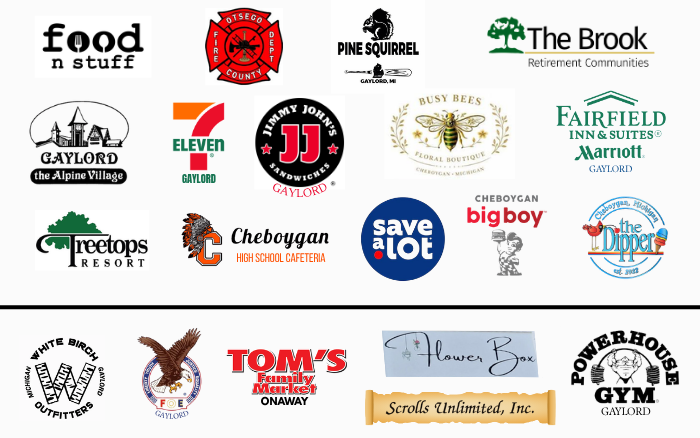
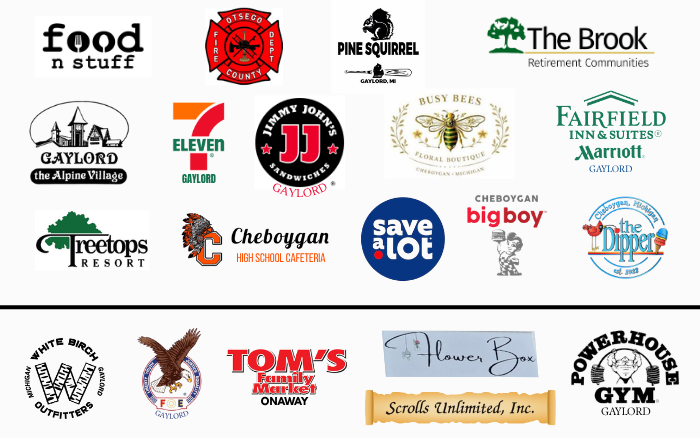
Community Partners
Food 'n Stuff 7-Eleven Save-A-Lot
Pine Squirrel Gaylord City Hall Gaylord Fire Hall
Treetops The Brook (Gaylord) The Dipper
CHS Cafeteria Jimmy John's (Gaylord) Big Boy (Cheboygan)
Busy Bee's Garden The Brook (Cheboygan) Fairfield Inn & Suites (Gaylord)
Scrolls Unlimited*** Tom's Market (Onaway)*** White Birch Outfitters***
The Eagles (Gaylord)*** The Flower Box (Onaway)*** Powerhouse Gym (Gaylord)***
*** Identifies a past partner, though we may not be actively using the site ***
Resources
Resources
Michigan Alliance for Families :
https://www.michiganallianceforfamilies.org/transition/
Disability Network Northern Michigan:
https://www.disabilitynetwork.org
Michigan Rehabilitation Services:
https://www.michigan.gov/leo/bureaus-agencies/mrs
Bureau of Services for Blind Persons:
https://www.michigan.gov/leo/bureaus-agencies/bureau-of-services-for-blind-persons
North Country Community Mental Health: (For Cheboygan, Otsego)
https://www.norcocmh.org/
Northeast Michigan Community Mental Health: (For Presque Isle)
https://www.nemcmh.org/ - CMH Presque Isle
Secretary of State No-Fee State ID:
https://www.michigan.gov/sos/all-services/id-with-no-fee
MiABLE Disability Savings Program:
https://www.michigan.gov/miable
Michigan Career and Technical Institute:
https://www.michigan.gov/leo/bureaus-agencies/mcti
Supplemental Security Income (SSI):
https://www.ssa.gov/ssi


